01
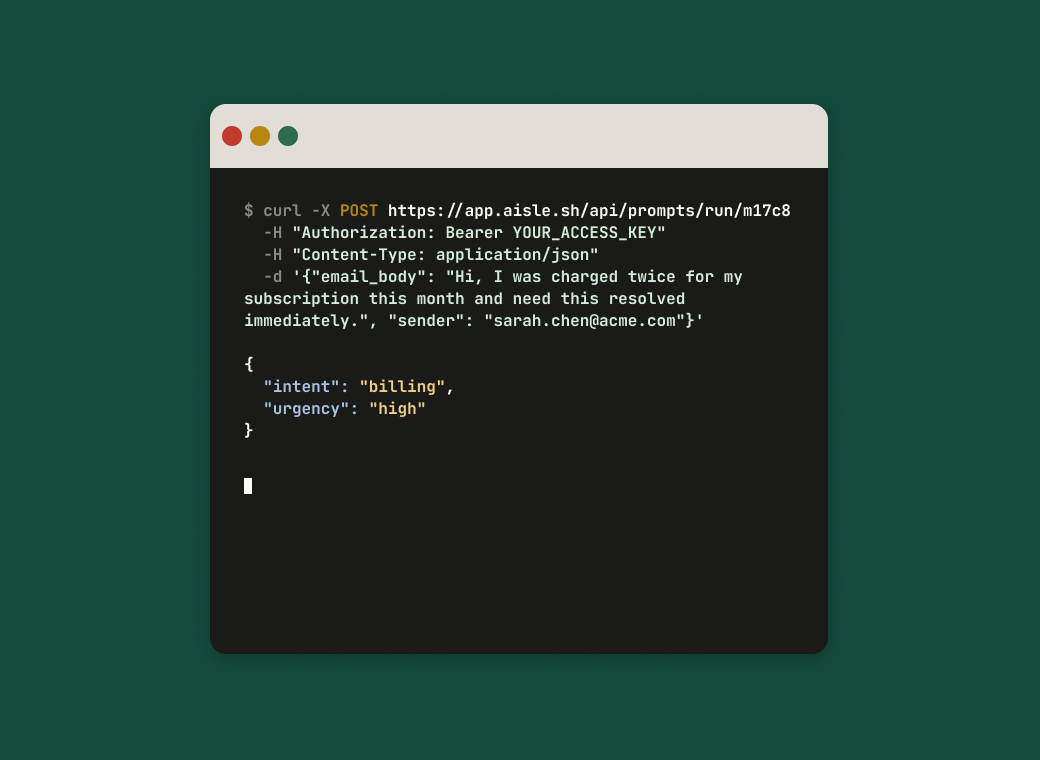
Prompt deployment via API.
A prompt you refine in chat becomes an API endpoint with one toggle. POST with your variables, get the response back. The same prompt serves the team in chat and your application in production.
OpenClaw is built for exploring in chat. When your team needs the same workflow every time, you need versioned prompts, rollback, and a shared surface. Aisle runs that on managed infrastructure: deploy to chat, API, or schedule, no servers to babysit.
When prototypes graduate
Once a workflow has to run the same way for others, the DIY stack shows its limits: a VPS you provisioned, cron you maintain, and prompts in Markdown only you can edit. The prototype proved the idea. Prototypes are not production.
OpenClaw is built for flexibility: conversation, skills, and iteration. That is a different job from a defined path everyone runs, with versions, diffs, and rollback. The gap is between “it worked in my thread” and “I know what’s in production.” When you need guardrails and predictable handoffs, a personal assistant on your machine is the wrong shape.
Use the previous and next buttons or swipe horizontally to move between workflow examples.
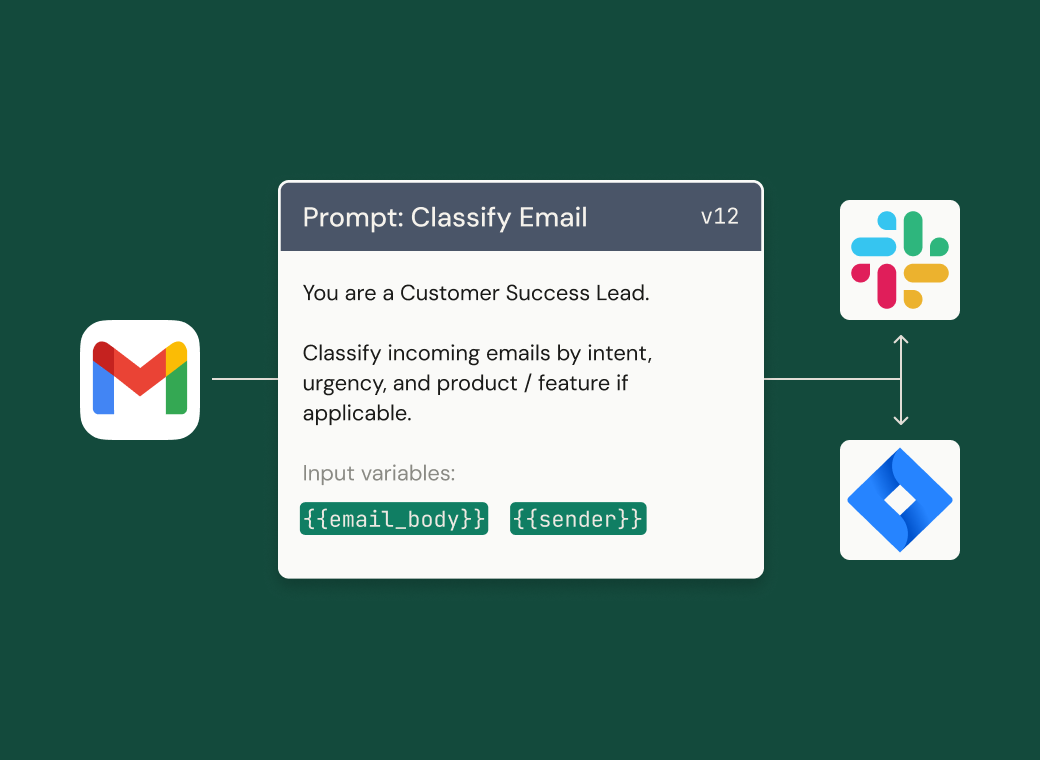
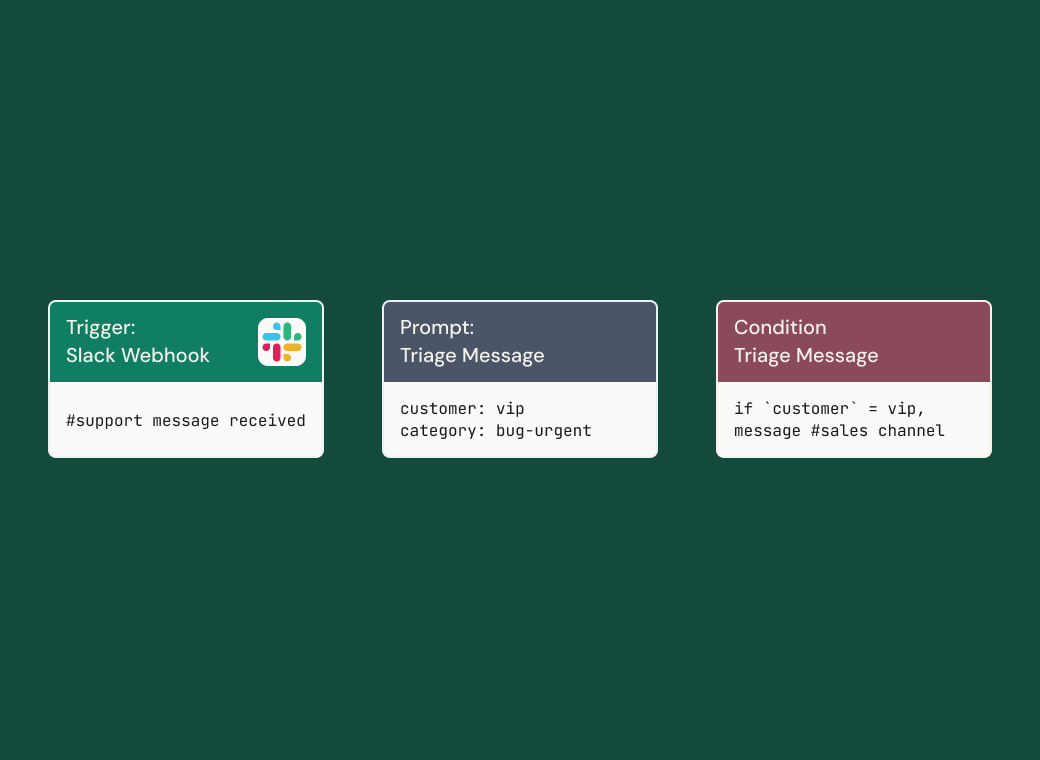
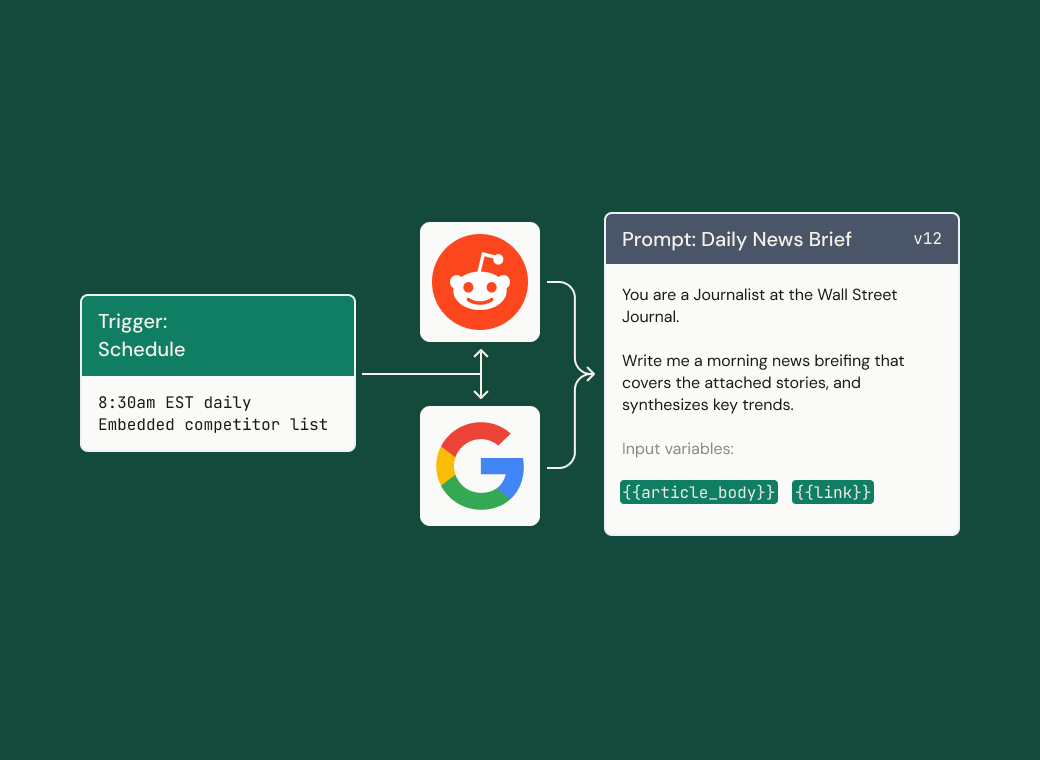
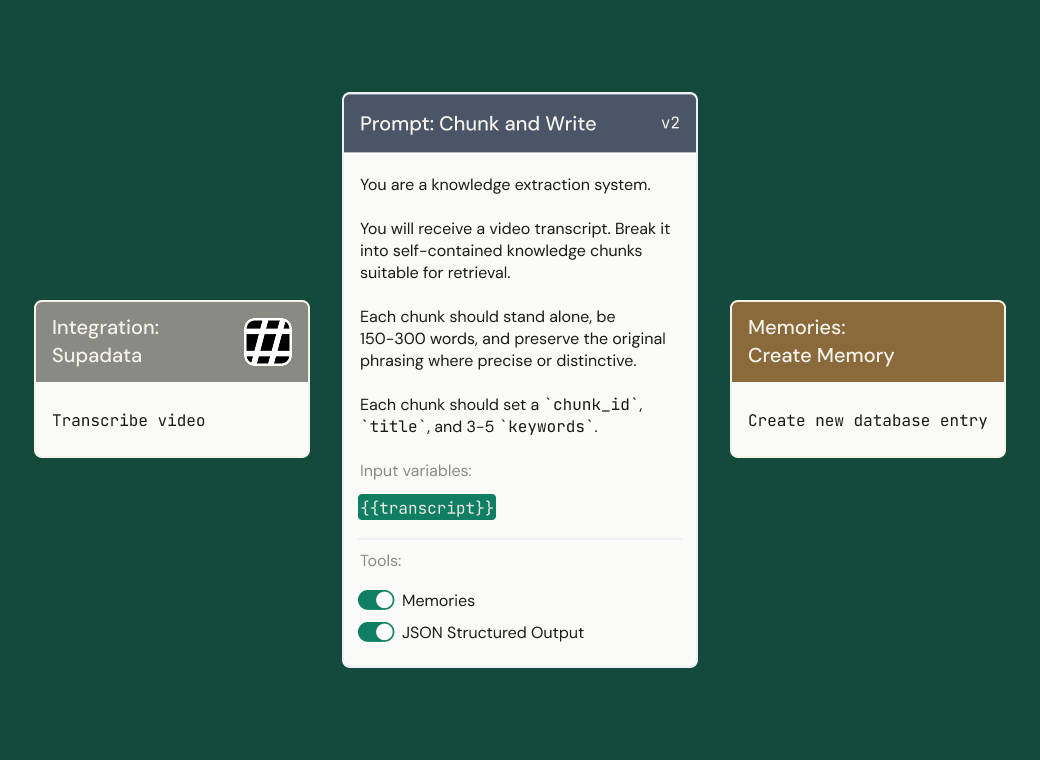
Every edit creates a new version. You can diff any two versions side-by-side, see who changed what, and roll back with one click. Prompt changes stop being untracked file edits.
Anyone on the team can run, fork, or iterate on prompts and workflows. Access controls let you decide who can edit the underlying config and who just runs the finished product. You stop being the single point of failure.
We run it. You don't maintain containers, monitor uptime, or patch CVEs at midnight. Your workflows get API endpoints, scheduled triggers, and webhook integrations without you provisioning anything.
The same prompt runs in chat for your team, via API for your application, and on a schedule for your automations. One source of truth across every context.
Workflows store state between executions. A monitoring workflow remembers what it already surfaced. A knowledge base pipeline picks up where it left off instead of reprocessing from scratch. Loop nodes support continue-on-error, so a single failure doesn't restart the whole chain.
Your same workflows running reliably on managed infrastructure. Versioned prompts and workflows. Zero servers to babysit.